-
A beginner’s guide to normal skin: understanding the ABCs
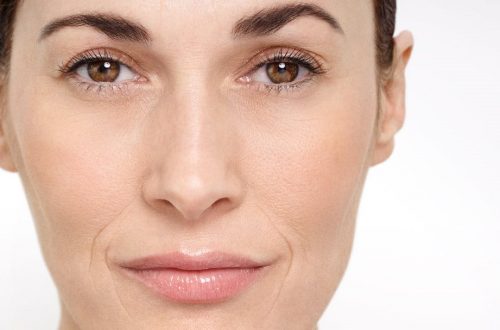
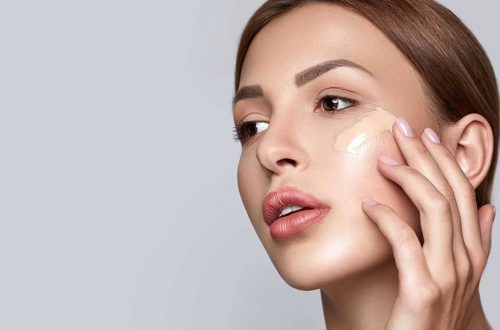
Embarking on a skincare journey can be daunting, but don't fret, novice! Let's begin with the coveted normal skin type, the holy grail of radiant complexions.
-
Summer Beauty Must-Haves
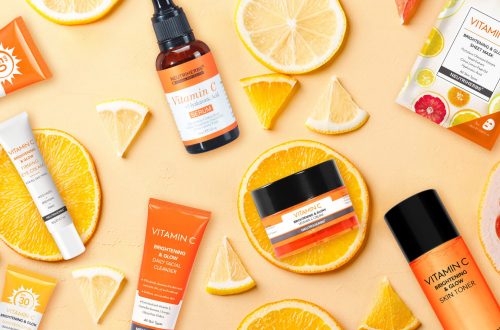
Get ready to turn up the heat on your beauty game! Whether you're soaking up the sun on the beach, sizzling at a BBQ, or just running around town, you deserve to look and feel your best. Our latest article is packed with summer beauty must-haves that will keep you glowing all season long.
-
5 Simple Tips for Achieving a Glowing Complexion
Obtaining healthy and glowing skin is achievable with simple steps. These are our top 5 recommendations for attaining a lovely complexion.
-
Tips for Maintaining Combination Skin
Taming combination skin can be a real head-scratcher - it's like trying to solve a Rubik's cube! But, fear not, with some savvy skincare secrets up your sleeve, you'll be able to rock a radiant complexion.
-
How to use a face serum
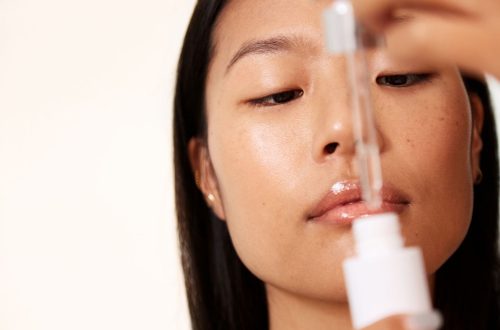
But however many beneficial effects that product may have, if you don't use it correctly it will never be effective and it won't improve the appearance of your skin.
-
20 tips to reduce wrinkles naturally
Wrinkles are the signs of aging on the skin and are inevitable, as the years go by the skin loses its elasticity and the production of collagen in the skin decreases, causing the appearance of fine lines and wrinkles.
-
How to Get Smooth Skin: Dermatologist Tips
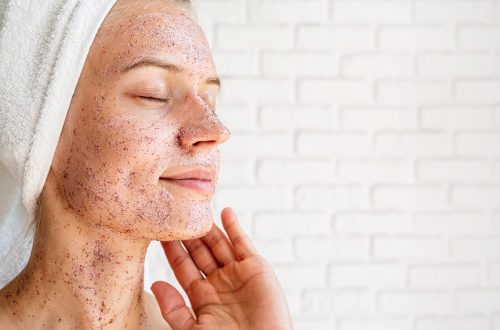
In this article, we will explore seven dermatologist-recommended tips to help you achieve smoother skin.
-
How Should You Treat Photoaging?
Photoaging, or sun-damaged skin, is a condition that occurs due to prolonged exposure to UV radiation from the sun or artificial UV light sources.
-
ACNE ON THE FACE: CAUSES, TREATMENTS, AND REMEDIES
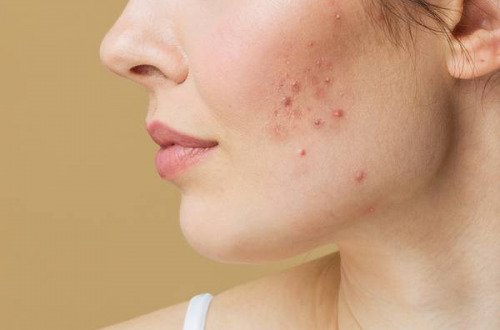
Several rashes, known as pimples, are caused due to the result of the common skin condition acne. A pimple is a blocked hair follicle under the skin that mostly affects the face.
-
Myths regarding the origins of acne
Acne affects people of all ages and ethnicities, but it is more prevalent in adolescents and young adults.